How Solar Panels Can Power Your Zero-Carbon Future?
As the world shifts towards sustainable energy solutions, solar panels have emerged as a cornerstone of the zero-carbon future. This article explores how advanced solar technologies, including high-efficiency photovoltaic panels and innovative solar carports, can transform energy consumption for homes and businesses alike.
The Role of Solar Energy in Achieving Zero-Carbon Goals
Solar energy is at the forefront of the global transition to clean energy. By harnessing the power of the sun, solar panels reduce reliance on fossil fuels, lower greenhouse gas emissions, and provide a sustainable energy source. The International Energy Agency (IEA) reports that solar PV could generate up to 16% of the world's electricity by 2050, significantly contributing to carbon neutrality.
Types of Solar Panels and Their Efficiency
Modern solar panels come in various types, each with unique efficiency levels and applications:
- Monocrystalline Solar Panels: Known for high efficiency (15-22%) and durability, ideal for residential and commercial use.
- Polycrystalline Solar Panels: Slightly less efficient (13-16%) but more affordable, suitable for large-scale installations.
- Thin-Film Solar Panels: Lightweight and flexible, with efficiency around 10-12%, perfect for unconventional surfaces.
Innovative Solar Solutions: Carports and Roof Systems
Beyond traditional rooftop installations, innovative solar solutions like solar carports and roof systems are gaining popularity. These systems not only generate clean energy but also provide shade and protection for vehicles, maximizing space utilization. For instance, a typical solar carport can produce enough electricity to power an average household while reducing carbon footprint.
Home Energy Storage: The Future of Solar Power
Pairing solar panels with home energy storage systems ensures uninterrupted power supply, even during grid outages. Lithium-ion batteries, such as those used in Tesla Powerwall, store excess solar energy for later use, enhancing energy independence and reducing reliance on the grid.
Market Trends and Growth Projections
The global solar energy market is projected to grow at a CAGR of 6.9% from 2023 to 2030, driven by declining costs and government incentives. Countries like China, the U.S., and Germany lead in solar adoption, with residential and commercial sectors showing significant uptake.
Cost Analysis and Return on Investment
Investing in solar panels offers long-term financial benefits. On average, homeowners can save $1,500 annually on electricity bills, with a payback period of 5-7 years. Government rebates and tax credits further enhance the ROI, making solar energy an economically viable option.
Common Misconceptions About Solar Energy
Despite its benefits, solar energy faces several misconceptions:
- High Initial Costs: While upfront costs can be significant, long-term savings and incentives offset the investment.
- Inefficiency in Cloudy Weather: Modern panels are designed to work efficiently even in low-light conditions.
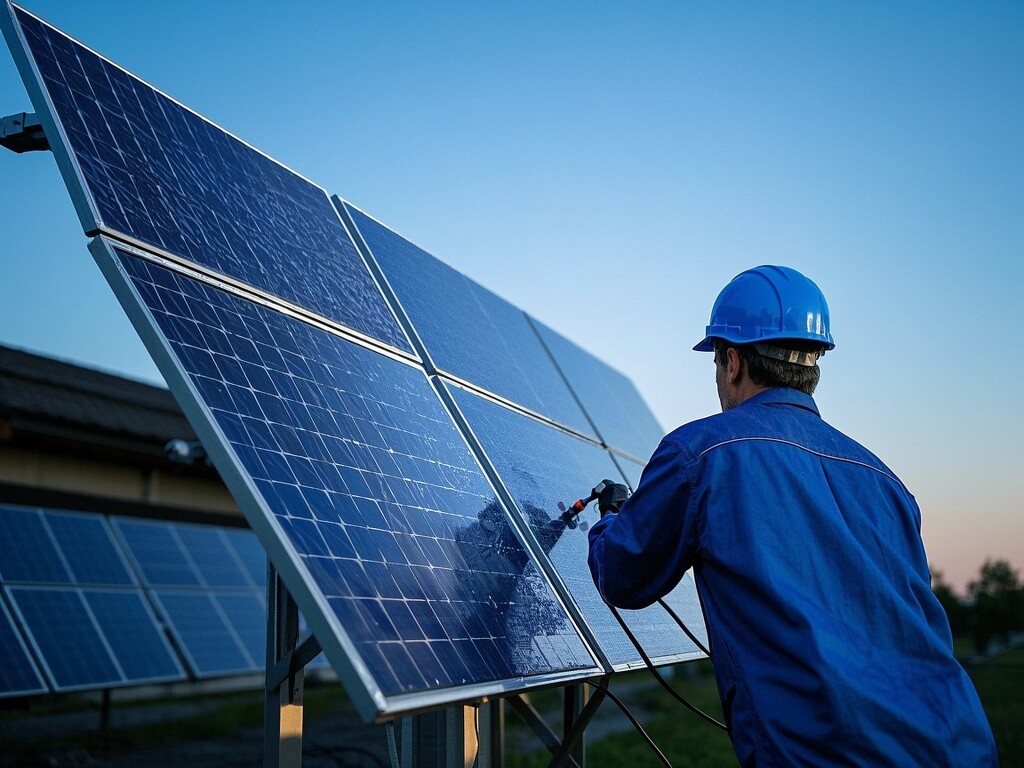
- Maintenance Challenges: Solar systems require minimal maintenance, primarily occasional cleaning and inspections.
Why Choose Solar for Your Zero-Carbon Future?
Solar energy is not just an alternative; it's a necessity for a sustainable future. By adopting solar panels and complementary technologies like energy storage and innovative carports, individuals and businesses can significantly reduce their carbon footprint while enjoying energy independence and cost savings.
Ready to take the next step towards a zero-carbon future? Explore our range of high-efficiency solar panels and innovative energy solutions today.
Related Posts
- ▶ How Solar Panels Can Power Your Zero-Carbon Future?
- ▶ Top 5 Benefits of Home Solar Energy Storage Systems
- ▶ Innovative Solar Carports: The Future of Clean Energy?
- ▶ Why High-Efficiency Solar Panels Are Worth the Investment
- ▶ Solar Energy: The Key to a Sustainable Zero-Carbon Future
- ▶ How to Choose the Best Solar Panels for Your Home?
Send Us A Message